

7 Advantages of Prefabricated Cellular Glass Insulation Systems in Industrial Projects
Introduction
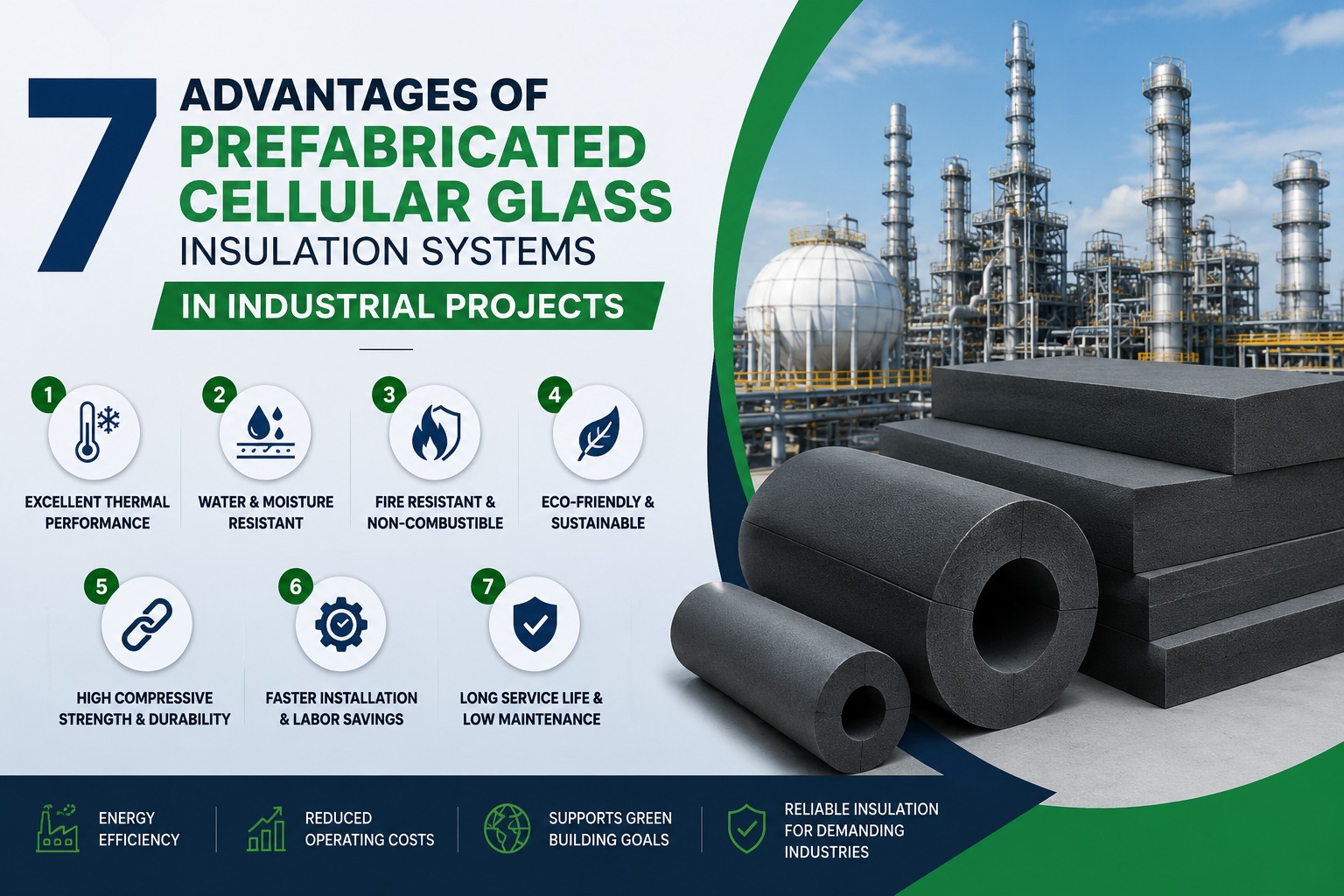
Industrial facilities rely heavily on effective insulation to maintain process temperatures, improve energy efficiency, and protect critical equipment from moisture-related damage. Choosing the right industrial insulation materials can significantly impact long-term performance and operating costs. Among the most trusted solutions, prefabricated cellular glass insulation has gained popularity due to its durability, moisture resistance, and installation efficiency. This article explores seven key advantages of using a cellular glass insulation system in demanding industrial environments, including LNG plants, petrochemical facilities, and cryogenic applications.
What is Prefabricated Cellular Glass Insulation?
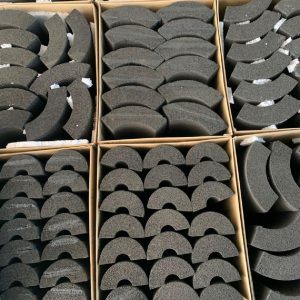
Prefabricated cellular glass insulation consists of factory-manufactured insulation components that are cut and shaped according to project specifications before arriving on-site. These components include pipe sections, elbows, tees, vessel segments, tank insulation parts, and other custom-fabricated solutions.
Manufactured from recycled glass, cellular glass insulation features a fully closed-cell structure that makes it impermeable to water and water vapor. This unique property ensures long-term thermal performance in both hot and cold service applications, making it one of the most reliable cryogenic insulation materials available today.
1. Faster Installation on Site
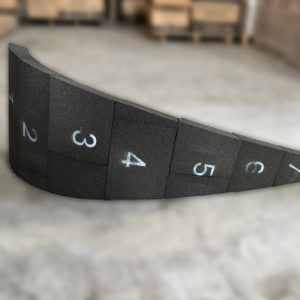
One of the primary benefits of prefabricated cellular glass insulation is faster and more efficient installation. Unlike traditional insulation materials that require extensive cutting and shaping in the field, prefabricated components arrive ready to install.
This reduces labor requirements, minimizes project delays, and helps contractors meet tight construction schedules while maintaining installation quality.
2. Reduced Material Waste
On-site fabrication often generates excess waste, especially when insulating complex piping systems and industrial equipment.
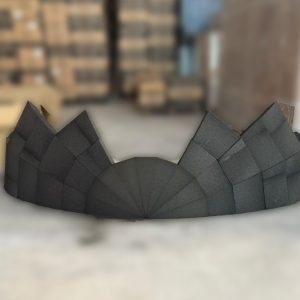
Because prefabricated components are manufactured to exact project dimensions, they help reduce material offcuts and improve overall material utilization, leading to more cost-effective insulation projects.
3. Consistent Quality and Precision
Factory-fabricated insulation provides superior dimensional accuracy and consistency compared to field-cut materials.
This is particularly important for:
- Cryogenic pipelines
- LNG facilities
- Petrochemical plants
- Industrial process piping
- Storage tanks and vessels
Accurate fitting helps maintain the effectiveness of the cellular glass insulation system while minimizing thermal bridges and gaps.
4. Excellent Moisture Resistance
Moisture ingress is one of the leading causes of insulation performance degradation and corrosion under insulation (CUI) in industrial facilities.
This makes it an excellent choice for:
- Underground piping systems
- Offshore facilities
- Chilled water networks
- High-humidity environments
- Cryogenic applications
Its moisture-resistant properties help maintain insulation performance while reducing the risk of corrosion under insulation (CUI).
5. High Mechanical Strength
Industrial insulation materials must withstand physical loads, vibration, and operational stress.
Cellular glass insulation offers excellent compressive strength and dimensional stability. Unlike many conventional insulation materials, it does not shrink, warp, or deform over time, ensuring long-term reliability in demanding environments.
6. Lower Long-Term Maintenance Requirements
Because cellular glass insulation does not absorb moisture, it experiences less performance degradation over its lifespan.
This can significantly reduce maintenance costs associated with:
- Wet insulation replacement
- Thermal efficiency loss
- Insulation deterioration
- Moisture-related equipment damage
For industrial facilities operating continuously, lower maintenance requirements translate into reduced lifecycle costs.
7. Long Service Life
Durability is essential when selecting insulation materials for critical industrial assets.
As a non-combustible, chemically stable, and moisture-resistant material, cellular glass insulation maintains its thermal performance for many years. When properly installed, it provides reliable protection and energy efficiency throughout its service life.
Common Applications of Prefabricated Cellular Glass Insulation
Prefabricated cellular glass insulation is widely used in industries where thermal reliability and moisture resistance are essential.
Typical Applications:
- LNG facilities
- Petrochemical plants
- Refineries
- Industrial processing plants
- Chilled water systems
- Cryogenic pipelines
- Underground piping networks
- Storage tanks and vessels
The combination of thermal efficiency, moisture protection, and durability makes cellular glass for pipelines and industrial equipment a preferred solution worldwide.
Conclusion
Prefabricated cellular glass insulation systems provide numerous advantages for industrial projects, including faster installation, reduced waste, superior moisture resistance, high mechanical strength, and extended service life. As industries continue to prioritize energy efficiency, operational reliability, and lifecycle cost savings, cellular glass insulation systems remain a trusted choice for demanding applications.
At Qian Dynar, we supply high-quality industrial insulation materials, including advanced cryogenic insulation materials and cellular glass solutions designed to meet the needs of modern industrial facilities. Our experts can help identify the most suitable insulation system based on your project's specific requirements.